Source Plastic Glass Bottle Tunnel Dryer for Chemicals, Plastics, Bottles
Compare 30 verified listings for Plastic Glass Bottle Tunnel Dryer units with varying capacities and dimensions. Buyers can evaluate specifications like conveyor height, power ratings, and drying media to find the right equipment for chemical or plastics processing.
Key considerations
Products List


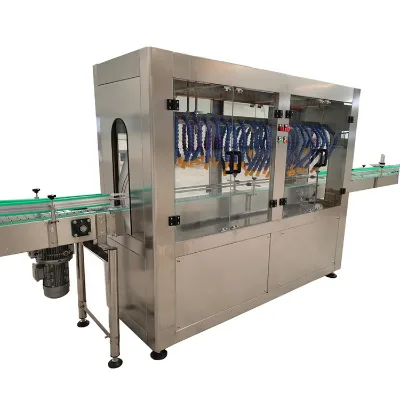


Drying Machine Spider Hand Bottle Dryer Automatic Tunnel Dryer Machine
$3800.00 - $4500.00
MOQ: 1 Pieces


Automatic Pet Plastic Glass Bottle Drying Machine Blow Drying Machine
$3500.00 - $5200.00
MOQ: 1 Pieces


Customized Pet Plastic Water Bottle Dryer / Glass Bottle Drying Machine
$3000.00 - $6000.00
MOQ: 1 Pieces


Comprehensive Sourcing Guide
Strategic Sourcing Guide for Plastic Glass Bottle Tunnel Dryers
Understanding Core Technical Specifications and Configuration
When sourcing a tunnel dryer specifically designed for plastic and glass bottles, buyers must first establish a clear understanding of the machine's physical and operational parameters. The equipment is not a monolithic unit; rather, it exists in various configurations tailored to specific production line speeds and bottle geometries. Based on available market data, dimensions for these units can vary significantly. For instance, specific models have been observed with dimensions such as 2.5 meters by 0.6 meters by 1.4 meters, while larger variants may reach 3.5 meters in length with a consistent width of 0.6 meters and a height of 1.5 meters. Other configurations, such as the UV450M model, present dimensions of 2100mm by 700mm by 1700mm.
The weight of the machinery is a critical factor for logistics and floor load planning. Observed weights for these tunnel dryers range from 400kg for smaller, more compact units to 820kg for heavier industrial models. A specific model, the D1500 IR, is noted to weigh 680kg, whereas the D2000 IR model reaches 750kg. Buyers should verify the exact weight of the unit they intend to purchase, as this impacts shipping costs and the structural requirements of the factory floor. The packaging method is equally important for transit safety; units are typically shipped in plywood cases or film packing combined with wooden cases to ensure protection during international transport.
The internal architecture of the dryer also dictates its performance. The drying medium is predominantly air, utilizing a cross-flow method to ensure even distribution across the bottle surface. The cooling mechanism is generally air cooling, which is standard for maintaining energy efficiency and preventing thermal shock to the plastic or glass materials. The conveyor height is adjustable, typically ranging between 900mm and 1400mm, allowing integration with various filling and capping stations. Furthermore, the inlet temperature is designed to operate at normal temperature, suggesting that the heating element is the primary driver for the drying process rather than pre-heated ambient air.
Operational Mechanics and Performance Parameters
The operational efficiency of a tunnel dryer is driven by its power consumption, airflow dynamics, and heating methods. In the observed market data, power ratings vary, with specific models operating at 5.5kW and others at 7.5kW. The heating method is consistently identified as electric heating, which allows for precise temperature control essential for drying delicate plastic and glass surfaces without causing deformation or thermal stress. The control system is managed via an electric control cabinet, providing operators with the necessary interface to monitor and adjust drying parameters.
Airflow is generated through a single pump blowing method, delivering a blowing power of 259mbar. This pressure is critical for removing moisture from the bottle surfaces effectively. The length of the blowing knives, a key component in directing the air stream, is observed to be 0.5m in certain configurations. This dimension influences the coverage area and the uniformity of the drying effect. The machinery core components typically include gears and motors, which are essential for the reliable movement of the conveyor belt and the operation of the fans.
Performance metrics also include the maximum capacity of the unit. Some models are rated for a maximum capacity of 5000 bottles per hour, indicating their suitability for high-volume production lines. The product name often reflects its function, such as "Air Knife Air Drying Machine," highlighting the specific technology used to direct the drying air. The raw material construction is a vital consideration for hygiene and durability; the observed data specifies the use of 304 Stainless Steel, a material known for its corrosion resistance and suitability for food and beverage processing environments.
Compliance, Certification, and Quality Verification
While specific certification labels may not be universally listed for every unit, buyers must verify that the machinery adheres to relevant international safety and quality standards. The supply chain for these dryers is heavily concentrated in China, with origins noted in Guangdong and Henan provinces. When evaluating a supplier, it is prudent to request a machinery test report, which has been provided for certain models in the market. This document serves as evidence that the equipment has undergone rigorous testing for safety and performance before shipment.
Buyers should also inquire about the product standards, which may be listed as specific dimensions or operational parameters. For example, a standard might be referenced as 2700mm by 1170mm by 1020mm, though this often refers to the footprint or a specific configuration rather than a regulatory standard. The primary focus should be on verifying that the electrical components and the heating elements comply with the safety regulations of the destination country. The "2700X1170X1020mm" reference in the data suggests that dimensional standards are often used to describe the machine's footprint or internal chamber size, which buyers must cross-reference with their facility's layout.
Additionally, the after-sales service provided is a critical compliance and support metric. A standard offering in this sector is a one-year warranty or service period. This ensures that if core components like the motor or gear fail, the buyer has recourse for repairs or replacements. The availability of customization is another factor; buyers should confirm that the supplier can tailor the machine to specific bottle shapes or production speeds, as this flexibility is often required to meet unique compliance needs for different product lines.
Cost Drivers and Economic Considerations
The pricing of tunnel dryers is influenced by several factors, including the model complexity, power rating, and customization requirements. The observed price range for these units spans from 1000 USD to 58,000 USD. This wide variance reflects the difference between basic, small-scale units and large, high-capacity industrial systems. The minimum order quantity (MOQ) for these machines is typically 1 set, allowing for flexibility in procurement for both small and large enterprises.
Cost drivers include the material quality, specifically the use of 304 Stainless Steel, which is more expensive than standard carbon steel but necessary for maintaining hygiene standards in bottle processing. The power rating is another significant cost factor; units with 7.5kW motors will generally command a higher price than those with 5.5kW motors due to the increased energy capacity and more robust internal components. The inclusion of advanced features, such as an electric control cabinet with sophisticated monitoring capabilities, also adds to the overall cost.
Shipping and packaging costs are additional considerations. The use of plywood cases or wooden crates adds weight and volume to the shipment, increasing freight charges. Buyers should also factor in the potential need for customization, which may incur additional engineering and manufacturing fees. The lead time for production and delivery can vary based on the supplier's location, with factories in Guangdong and Henan offering different logistical advantages depending on the buyer's proximity to major ports.
Typical Applications and Industry Use Cases
Tunnel dryers are versatile pieces of equipment used across various industries, with a primary focus on chemicals processing and plastics processing. In the plastics industry, these dryers are essential for removing moisture from plastic bottles before filling, ensuring product quality and preventing defects. The drying process is particularly critical for glass bottles, where residual moisture can lead to contamination or label adhesion issues.
The specific application of the dryer depends on the bottle type and the production line speed. For high-volume operations, models with a capacity of 5000 bottles per hour are ideal. The adjustable conveyor height allows the machine to accommodate different bottle sizes, making it suitable for facilities that produce multiple product lines. The air knife technology is particularly effective for drying the exterior of bottles, ensuring a streak-free finish that is crucial for aesthetic and branding purposes.
In the chemicals processing sector, the dryer is used to prepare containers for hazardous or sensitive materials. The use of 304 Stainless Steel ensures that the machine can withstand exposure to various chemicals without corroding, maintaining the integrity of the drying process. The high working efficiency of these units makes them a preferred choice for industries that require rapid throughput without compromising on quality.
Supplier Evaluation and Quality Control Protocols
Evaluating a supplier for a tunnel dryer requires a thorough assessment of their technical capabilities and quality control processes. Buyers should verify the supplier's location, with Guangdong and Henan being key manufacturing hubs in China. The presence of a machinery test report is a strong indicator of a supplier's commitment to quality. This report should detail the results of tests performed on the machine's core components, such as the motor and gears, to ensure they meet performance expectations.
Buyers should also assess the supplier's ability to provide after-sales support. A one-year service period is a standard benchmark, but buyers should inquire about the availability of spare parts and the responsiveness of the technical support team. The customization options offered by the supplier are also a key evaluation criterion. A supplier that can adapt the machine to specific requirements, such as different conveyor heights or drying media, demonstrates a higher level of technical expertise.
Quality control should extend to the raw materials used in construction. The use of 304 Stainless Steel is a positive sign, but buyers should request material certificates to verify the grade and origin of the steel. The packaging method, whether plywood or film packing, should be robust enough to prevent damage during transit. Finally, buyers should review the supplier's track record in the industry, looking for evidence of successful installations and satisfied customers in similar sectors.
Long-Term Procurement and Maintenance Strategies
Investing in a tunnel dryer is a long-term decision that requires careful planning for maintenance and operational efficiency. The core components, including the motor and gears, are subject to wear and tear over time. Buyers should establish a maintenance schedule that includes regular inspections of these components to prevent unexpected downtime. The electric control cabinet should also be checked periodically to ensure that all sensors and controls are functioning correctly.
Energy efficiency is another long-term consideration. With power ratings ranging from 5.5kW to 7.5kW, the energy consumption of the dryer can be significant. Buyers should explore options for optimizing the drying process to reduce energy usage, such as adjusting the blowing power or optimizing the conveyor speed. The air cooling system should be maintained to ensure it operates efficiently, preventing overheating of the machine's internal components.
The availability of spare parts is crucial for long-term operation. Buyers should confirm that the supplier offers a steady supply of replacement parts, particularly for the core components like the motor and gears. The one-year after-sales service period should be utilized to address any initial issues, but a long-term maintenance contract may be necessary for ongoing support. By planning for these long-term needs, buyers can ensure that their tunnel dryer continues to operate efficiently and reliably for years to come.
Comparative Analysis of Key Model Attributes
To assist in the decision-making process, the following table summarizes the key attributes of the observed models, highlighting the variations in size, weight, and power.
| Attribute | Model D1500 IR | Model D2000 IR | Model UV450M | Model TM-IR-T800 | Model SPCFM.C1.H |
|---|---|---|---|---|---|
| Dimensions (m) | 2.5 x 0.6 x 1.4 | 3.5 x 0.6 x 1.5 | 2.1 x 0.7 x 1.7 | N/A | 2.3 x 0.85 x 1.7 |
| Weight (kg) | 680 | 750 | 400 | N/A | N/A |
| Power (kW) | 5.5 | 5.5 | N/A | N/A | 7.5 |
| Material | 304 Stainless Steel | 304 Stainless Steel | 304 Stainless Steel | N/A | N/A |
| Packaging | Plywooden Case | Plywood | Plywood | N/A | Film/Wooden Case |
| Origin | Guangdong, China | Guangdong, China | China (Mainland) | N/A | Henan, China |
This comparison illustrates the diversity in specifications available in the market. Buyers must select the model that best aligns with their specific production requirements, balancing factors such as capacity, footprint, and power consumption. The data underscores the importance of verifying each attribute individually, as no single model fits all needs. By carefully evaluating these parameters, buyers can make informed decisions that optimize their production efficiency and long-term operational success.
FAQs
What are the typical dimensions for a Plastic Glass Bottle Tunnel Dryer?
Dimensions vary by model, with observed sizes including 2.5 by 0.6 by 1.4 meters and 3.5 by 0.6 by 1.5 meters. Specific models like the UV450M measure 2100 by 700 by 1700 millimeters, requiring verification of the exact footprint before installation.
How much does a Plastic Glass Bottle Tunnel Dryer weigh?
Weights range from 400 kilograms for compact units to 820 kilograms for heavier industrial models. For instance, the D1500 IR model weighs 680 kilograms, while the D2000 IR reaches 750 kilograms, impacting shipping and floor load planning.
Can I customize the conveyor height for different bottle sizes?
Yes, customization is available, and the conveyor height is adjustable between 900 and 1400 millimeters. This feature allows integration with various filling and capping stations to accommodate different bottle geometries and production line requirements.
What is the maximum capacity of a Plastic Glass Bottle Tunnel Dryer?
Some models are rated for a maximum capacity of 5000 bottles per hour. This high throughput makes them suitable for large-scale production lines in the plastics and chemicals processing sectors requiring rapid drying efficiency.
Which material is used to construct the dryer body?
The machinery is constructed from 304 Stainless Steel to ensure corrosion resistance and hygiene. This material is essential for food and beverage processing environments where durability and resistance to chemical exposure are critical for long-term operation.
How is the drying medium delivered to the bottles?
The system uses air as the drying medium with a cross-flow method for even distribution. A single pump generates a blowing power of 259mbar, ensuring effective moisture removal from bottle surfaces without causing thermal shock.
What is the minimum order quantity for these drying machines?
The minimum order quantity is typically one set, allowing flexibility for both small and large enterprises. This low MOQ enables buyers to procure a single unit for pilot testing or immediate production needs without bulk commitments.
Does the supplier provide after-sales service for the dryer?
A standard offering includes one year of after-sales service provided by the supplier. This warranty covers core components like motors and gears, ensuring buyers have recourse for repairs or replacements if technical issues arise during operation.